
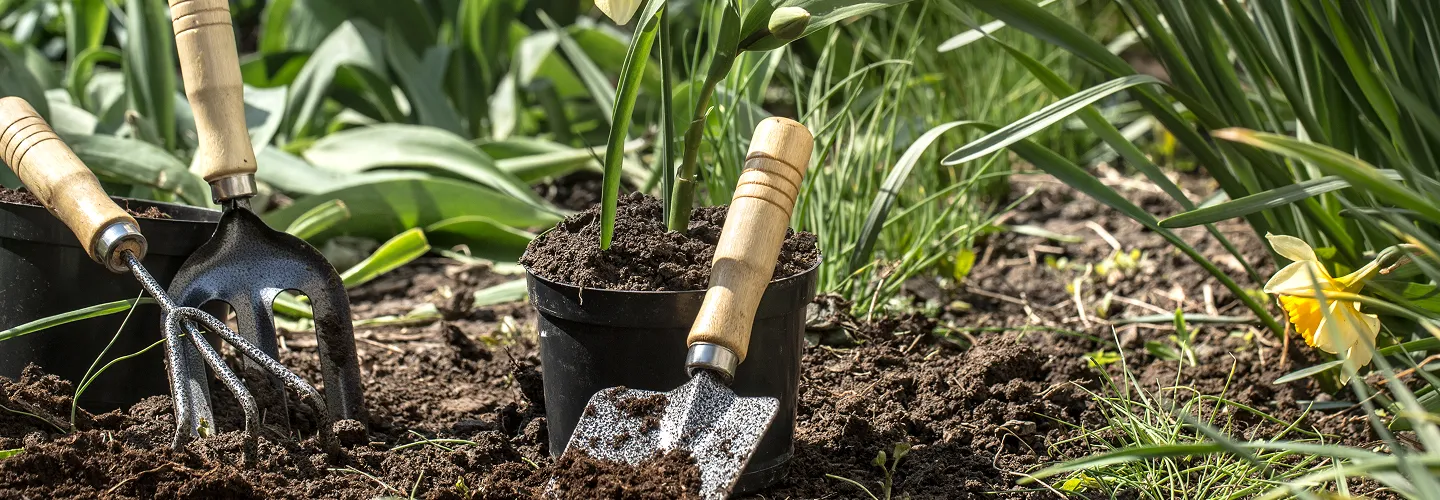
Dunwoody Flower Bed Maintenance Services
Choose our Flower Bed Maintenance for expert care that keeps your garden blooming, weed-free, and healthy all season long—so you can enjoy stunning curb appeal without the hassle.
Get a Free QuoteOur Dunwoody Landscaping & Yard Care Services
When to Schedule Flower Bed Maintenance in Dunwoody, Georgia – Seasonal Guide
In Dunwoody, Georgia, the best times for flower bed maintenance are closely tied to our region’s unique climate and landscape. With mild winters and hot, humid summers, most homeowners in neighborhoods like Dunwoody Club Forest and near Brook Run Park find that early spring and late fall are optimal for major cleanups, mulching, and planting. Spring maintenance should be scheduled after the last frost—typically in late March—when soil temperatures begin to rise and perennials start to emerge. Fall is ideal for preparing beds for winter, managing leaf drop, and refreshing mulch to protect roots from fluctuating temperatures.
Local factors such as our clay-heavy soils, the prevalence of mature shade trees, and the risk of summer droughts all play a role in determining the right maintenance schedule. For example, properties near the Chattahoochee River may experience higher humidity and more shade, affecting plant health and the timing of tasks like pruning or fertilizing. It’s also important to stay informed about municipal watering restrictions, which can impact when and how you care for your beds. For more information on local environmental guidelines, visit the Sudbury municipal site.
Local Factors to Consider for Flower Bed Maintenance in Dunwoody
- Tree density and shade coverage, especially in neighborhoods like Wyntercreek
- Soil type (clay content and drainage)
- Average precipitation and risk of summer drought
- Frost dates and seasonal temperature swings
- Municipal watering restrictions and local ordinances
- Terrain and slope, which can affect runoff and erosion
- Proximity to landmarks such as Brook Run Park or the Chattahoochee River
Benefits of Flower Bed Maintenance in Dunwoody
Enhanced Curb Appeal
Weed and Pest Prevention
Healthier Plant Growth
Seasonal Color Optimization
Professional Landscape Expertise
Increased Property Value
Dunwoody Flower Bed Maintenance Types

Seasonal Flower Planting
-
Weed Control Services
-
Mulching and Soil Conditioning
-
Edging and Bed Redefining
-
Fertilization Programs
-
Pest and Disease Management
-
Pruning and Deadheading
Our Flower Bed Maintenance Process
Site Evaluation
Weed Removal
Soil Preparation
Plant Care
Mulching
Why Choose Dunwoody Landscape Services
-
Dunwoody Homeowners Trust Us
-
Expert Lawn Maintenance
-
Reliable Scheduling
-
Competitive Pricing
-
Professional Team
-
Satisfaction Guarantee
-
Personalized Service
Dunwoody's Piedmont Red Clay Soils and Flower Bed Drainage Management
Dunwoody sits within Georgia's Piedmont region, where the predominant soil series include Cecil, Appling, and Madison soils — all characterized by dense red clay subsoils with limited drainage capacity. According to the USDA Web Soil Survey, these soils typically exhibit slow to moderate permeability, which creates standing water risk in low-lying flower beds following Dunwoody's frequent summer rainfall events. Dunwoody falls within USDA Hardiness Zone 7b, supporting a wide range of perennials and shrubs but requiring careful bed preparation to prevent root rot and compaction-related decline. Practical bed management steps for Dunwoody properties include:
- Amending native clay with 3–4 inches of compost worked to a depth of 8–10 inches before planting
- Raising bed grades 4–6 inches above surrounding grade to improve surface drainage
- Installing French drains or gravel channels along bed perimeters in low-lying areas
- Avoiding heavy clay backfill when replanting established beds
UGA Cooperative Extension publishes soil amendment guidance specific to Piedmont clay conditions that property owners should reference when planning bed renovations.
Seasonal Timing for Flower Bed Maintenance in Dunwoody's Long Growing Season
Dunwoody's climate, monitored by the National Weather Service Atlanta forecast office, features hot, humid summers with average high temperatures exceeding 90°F from June through August and mild winters with occasional freezes between December and February. This extended warm season creates specific timing windows for flower bed maintenance tasks:
- Spring bed preparation: March through mid-April, once soil temperatures consistently reach 55°F, is the optimal window for edging, mulching, and installing warm-season annuals such as vinca, pentas, and caladiums
- Summer maintenance: Deadheading, weeding, and irrigation checks should occur every 2–3 weeks from May through September
- Fall transition: October is the preferred window for removing spent warm-season annuals and installing cool-season plants such as pansies, snapdragons, and ornamental kale
- Winter dormancy care: Mulch depth should be maintained at 2–3 inches through January and February to insulate root zones during freeze events
Avoid major soil disturbance or new planting during July and August heat peaks, when transplant stress is highest in Dunwoody's humid conditions.
Protecting Dunwoody Stormwater Infrastructure During Bed Maintenance and Mulch Application
Flower bed maintenance activities — including mulch blowing, soil amendment, and chemical applications — carry runoff risk that can affect Dunwoody's stormwater drainage network. The city manages an extensive system of storm inlets, detention ponds, and drainage corridors, many of which connect to Nancy Creek and its tributaries flowing through residential neighborhoods. The Dunwoody Stormwater Division oversees water quality protection and drainage infrastructure maintenance across the city. Property owners and maintenance professionals should observe the following practices:
- Keep mulch and soil amendments at least 10 feet from storm drain inlets and open drainage channels
- Avoid applying granular fertilizers or pre-emergent herbicides within 25 feet of drainage swales or detention pond edges
- Contain mulch blower discharge to avoid blanketing curb inlets or sidewalk drainage paths
- Sweep or blow excess mulch off impervious surfaces immediately after application
The Georgia EPD Watershed Protection Branch establishes water quality standards applicable to urban runoff, and compliance with these standards is a shared responsibility of property owners and maintenance contractors operating in Dunwoody.
Dunwoody Stormwater Division
4800 Ashford Dunwoody Road, Dunwoody, GA 30338
Phone: (678) 382-6700
Official Website: Dunwoody Stormwater Division
Selecting Shade-Adapted and Heat-Tolerant Plants for Dunwoody Flower Beds
Dunwoody's mature tree canopy — particularly in older neighborhoods such as Dunwoody Club Forest and Georgetown — creates significant shade pressure that limits plant selection in many residential flower beds. At the same time, open south- and west-facing beds in newer subdivisions experience intense afternoon heat and humidity. UGA Cooperative Extension recommends the following plant categories for Dunwoody's Zone 7b conditions:
- Deep shade beds (less than 2 hours of direct sun): Hostas, astilbe, hellebores, and native wild ginger (Asarum canadense)
- Part shade beds (2–4 hours of direct sun): Impatiens, begonias, caladiums, and oakleaf hydrangea (Hydrangea quercifolia)
- Full sun beds (6+ hours of direct sun): Coneflower (Echinacea), black-eyed Susan (Rudbeckia), salvia, and lantana
- Native and adapted selections: Native plants such as Georgia aster (Symphyotrichum georgianum) and coral honeysuckle (Lonicera sempervirens) are well-suited to Dunwoody's clay soils and support local pollinators
The Dunwoody Sustainability Committee encourages environmentally responsible landscaping practices, including the use of native and adapted plant species that reduce irrigation demand and support local biodiversity.
Herbicide and Fertilizer Compliance for Dunwoody Flower Bed Weed and Nutrient Management
Professional flower bed maintenance in Dunwoody that involves pesticide or herbicide application is subject to Georgia state licensing requirements. Under the Georgia Pesticide Use and Application Act of 1976, any person applying pesticides for hire must hold a valid license issued by the Georgia Department of Agriculture. Similarly, fertilizer products used in commercial maintenance contexts must comply with the Georgia Fertilizer Act of 1997. For Dunwoody flower beds specifically:
- Pre-emergent herbicides should be applied in late February to early March before soil temperatures reach 55°F, targeting crabgrass and annual weed germination
- Post-emergent broadleaf herbicide applications should avoid windy days to prevent drift onto adjacent turf or ornamentals
- Slow-release granular fertilizers with balanced N-P-K ratios are preferred for clay-based Dunwoody beds to reduce leaching risk
- Soil pH testing every 2–3 years is recommended, as Piedmont clay soils in Dunwoody tend toward acidity (pH 5.5–6.2), which may require lime amendment to optimize nutrient availability
Property owners should verify that any hired maintenance professional holds current Georgia Department of Agriculture credentials before authorizing pesticide applications.
What Neighborhoods Do We Serve Throughout Dunwoody, GA?
- Dunwoody Club Forest: A mature, heavily wooded neighborhood with significant shade canopy and red clay soils; flower beds here frequently require shade-tolerant plant selections and drainage amendments to manage clay compaction.
- Georgetown: One of Dunwoody's older established subdivisions featuring large lots with mature hardwoods; leaf accumulation and root competition from established trees are primary bed maintenance challenges.
- Vermack: A mid-density residential area with a mix of sun and part-shade exposures; beds along street frontages benefit from heat-tolerant annuals and consistent mulch replenishment.
- Winters Chapel: Located near the city's northern boundary with proximity to drainage corridors; stormwater runoff management during mulch and amendment applications is a key consideration.
- Dunwoody Village: The city's historic commercial and residential core, where older landscape beds often require soil rehabilitation and updated plant selections suited to Zone 7b conditions.
- Perimeter Center Area: Higher-density mixed-use corridor with commercial and residential properties; flower bed maintenance in this area must account for impervious surface runoff and limited soil volume in raised or constrained planting areas.