
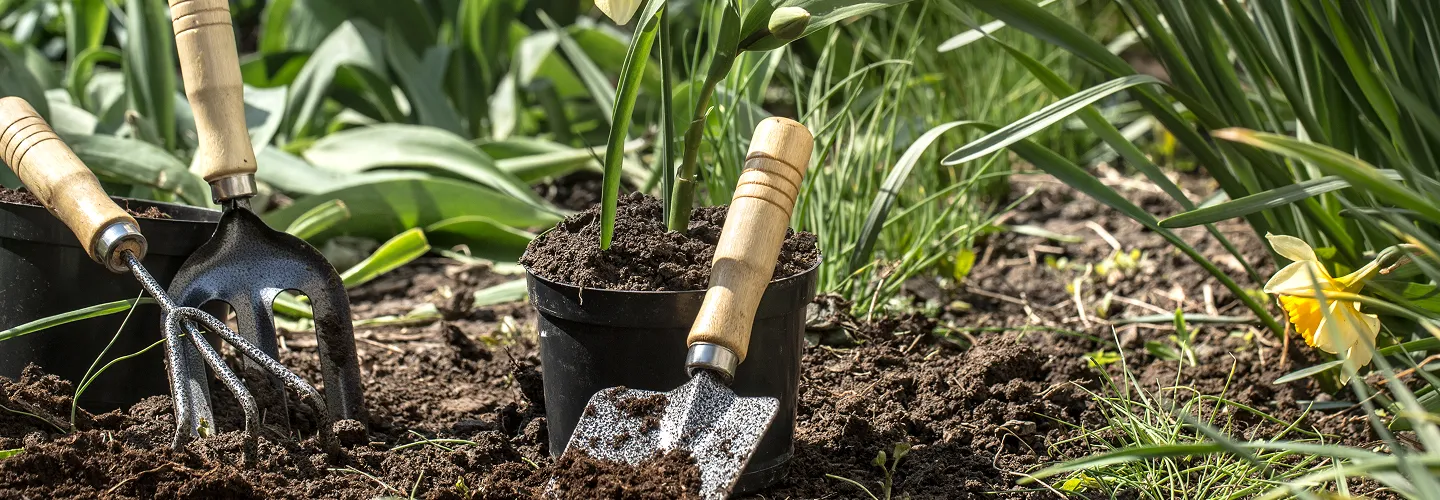
Dunwoody Hydroseeding Services
Choose our hydroseeding services for a cost-effective, eco-friendly way to achieve a thick, healthy lawn quickly—trusted by Dunwoody homeowners for reliable results and expert care.
Get a Free QuoteOur Dunwoody Landscaping & Yard Care Services
When to Schedule Hydroseeding in Dunwoody, Georgia – Seasonal Guide
Hydroseeding in Dunwoody, Georgia, is most effective when timed with the region’s unique climate and landscape features. The optimal periods are typically early spring and early fall, when soil temperatures are warm enough to encourage rapid seed germination, but before the intense summer heat or winter frost sets in. In neighborhoods like Dunwoody Village and near Brook Run Park, local microclimates—such as shaded lots or areas with heavy clay soils—can influence the best window for seeding.
Dunwoody’s weather patterns, including late spring rains and occasional summer droughts, play a significant role in establishing new lawns. Homeowners should also consider the city’s average last frost date in early April and the potential for high humidity during the summer months. For more information on local environmental guidelines, visit the Sudbury municipal resource.
Local Factors to Consider for Hydroseeding in Dunwoody
- Tree density and shade coverage, especially in areas like Georgetown and North Springs
- Soil composition, with many properties featuring compacted clay or sandy loam
- Terrain and slope, which can affect water runoff and seed retention
- Seasonal precipitation patterns and risk of drought
- Municipal watering restrictions or guidelines
- Proximity to landmarks such as Brook Run Park, which may influence microclimates
Benefits of Hydroseeding in Dunwoody
Fast Lawn Establishment
Cost-Effective Landscaping Solution
Erosion Control for Sloped Areas
Uniform Grass Coverage
Eco-Friendly Seeding Method
Customizable Seed Blends
Dunwoody Hydroseeding Types

Residential Lawn Hydroseeding
-
Commercial Property Hydroseeding
-
Erosion Control Hydroseeding
-
Wildflower and Native Grass Hydroseeding
-
Sports Field Hydroseeding
-
Slopes and Hillside Hydroseeding
-
Roadside and Highway Hydroseeding
Our Hydroseeding Process
Site Preparation
Soil Conditioning
Hydroseed Application
Watering and Maintenance
Growth Monitoring
Why Choose Dunwoody Landscape Services
-
Dunwoody Homeowners Trust Us
-
Expert Lawn Maintenance
-
Reliable Scheduling
-
Competitive Pricing
-
Professional Team
-
Satisfaction Guarantee
-
Personalized Service
Dunwoody's Piedmont Red Clay Soils and Hydroseeding Establishment Challenges
Dunwoody sits within Georgia's Piedmont physiographic region, where soils are predominantly Cecil and Appling series — dense, acidic red clay and clay-loam profiles with limited infiltration capacity. According to the USDA Web Soil Survey, these soils typically register pH levels between 5.0 and 6.0 and exhibit slow permeability, which directly affects hydroseeding outcomes. Compacted urban fill soils are also common across Dunwoody's developed residential lots, particularly in areas graded during construction. Before hydroseeding, property owners should consider the following site preparation steps:
- Conduct a soil pH test; lime amendments may be needed to raise pH toward the 6.0–6.5 range preferred by warm-season turf
- Break up surface compaction to a minimum depth of 2–3 inches to allow seed-to-soil contact
- Grade slopes to reduce sheet flow that can dislodge slurry before germination
- Verify drainage patterns to prevent ponding, which inhibits germination in clay-heavy soils
UGA Cooperative Extension provides soil testing guidance and turf establishment recommendations tailored to Georgia Piedmont conditions.
Optimal Hydroseeding Timing for Dunwoody's Warm-Season Turf Establishment
Dunwoody falls within USDA Plant Hardiness Zone 7b, as confirmed by the USDA Plant Hardiness Zone Map, with average annual minimum temperatures ranging from 5°F to 10°F. This zone supports warm-season grasses including Bermudagrass, Zoysiagrass, and Centipedegrass — all commonly hydroseeded across Dunwoody residential and commercial properties. Timing is critical for successful establishment:
- Bermudagrass: Seed when soil temperatures consistently reach 65°F or above, typically mid-April through June in Dunwoody
- Centipedegrass: Best seeded between late April and early July; requires consistent moisture during the 14–21 day germination window
- Tall Fescue (cool-season): Hydroseeded in late September through mid-November when soil temperatures drop below 70°F
- Avoid hydroseeding during Dunwoody's peak summer heat (July–August) when soil temperatures exceed 90°F and drought stress is highest
The National Weather Service Atlanta forecast office provides local temperature and precipitation data useful for planning hydroseeding windows. Germination failure is most common when applications precede extended dry periods or follow heavy rainfall events on unprotected slopes.
Protecting Dunwoody's Stormwater Infrastructure During Hydroseeding Operations
Dunwoody's stormwater drainage network includes numerous inlets, detention ponds, and drainage corridors that connect to Nancy Creek and its tributaries — waterways that flow through residential neighborhoods and ultimately into the Chattahoochee River basin. Hydroseeding slurry, which contains seed, mulch fiber, tackifier, and fertilizer, poses a direct risk to stormwater quality if applied improperly near drainage features. Under the Clean Water Act and the EPA NPDES Program, land-disturbing activities must prevent pollutant discharge into waterways. Property owners and contractors should observe the following precautions:
- Maintain a minimum 10-foot setback from storm drain inlets during application
- Install silt barriers or inlet protection devices before hydroseeding on slopes draining toward inlets
- Avoid application within 25 feet of Nancy Creek or its tributaries without erosion control measures in place
- Do not apply during rainfall events or when runoff is actively flowing across the site
The Dunwoody Stormwater Division oversees drainage infrastructure maintenance and water quality compliance within city limits. Property owners undertaking significant land disturbance should verify whether a land disturbance permit or erosion and sedimentation control plan is required prior to hydroseeding.
Dunwoody Stormwater Division
41 Park Place, Dunwoody, GA 30338
Phone: (678) 382-6700
Official Website: Dunwoody Stormwater Division
Dunwoody Community Development Review and Land Disturbance Permits for Hydroseeding Projects
Hydroseeding is frequently performed in conjunction with grading, slope stabilization, or post-construction turf establishment — activities that may trigger review under Dunwoody's land disturbance and erosion control regulations. Georgia's Erosion and Sedimentation Act requires that land-disturbing activities affecting one acre or more obtain a land disturbance permit and implement a certified erosion, sedimentation, and pollution control plan. For smaller residential projects, local review thresholds may apply. Property owners should confirm the following with the Dunwoody Community Development department before beginning work:
- Whether the project area exceeds local disturbance thresholds requiring permit review
- Whether the site is within a stream buffer, floodplain, or other regulated overlay zone
- Whether grading or slope modification associated with hydroseeding requires a grading permit
- Whether the project is part of a larger development subject to an approved erosion control plan
The Georgia EPD Watershed Protection Branch administers state-level erosion and sedimentation compliance programs that apply to qualifying projects within Dunwoody.
Dunwoody Community Development
41 Park Place, Dunwoody, GA 30338
Phone: (678) 382-6700
Official Website: Dunwoody Community Development
Dunwoody Sustainability Standards and Seed Mix Selection for Hydroseeding
The Dunwoody Sustainability Committee promotes responsible land management practices that reduce chemical inputs, conserve water, and support local ecological function. Seed mix selection for hydroseeding projects should align with these principles, particularly on lots adjacent to wooded corridors, greenways, or the Dunwoody Nature Center's preserved areas. Recommended practices for environmentally responsible hydroseeding in Dunwoody include:
- Select regionally adapted warm-season grasses such as Bermudagrass or Centipedegrass that require less supplemental irrigation once established
- Avoid seed mixes containing invasive species; consult UGA Extension - Invasive Species for guidance on species to exclude
- Use wood fiber or paper fiber mulch in the slurry rather than synthetic materials to support soil biology
- Incorporate slow-release starter fertilizers compliant with the Georgia Fertilizer Act of 1997 to minimize nutrient runoff during the establishment period
- On slopes greater than 3:1, use tackifier-enhanced slurry or erosion control blankets in combination with hydroseeding to prevent slurry displacement before germination
Seed mixes should be verified for purity and germination rates in accordance with Georgia Department of Agriculture labeling standards.
What Neighborhoods Do We Serve Throughout Dunwoody, GA?
Hydroseeding services are provided across Dunwoody's diverse residential and mixed-use neighborhoods, each presenting distinct soil, drainage, and site conditions relevant to turf establishment.
- Dunwoody Village: Older residential lots with mature tree canopy and compacted Cecil clay soils; shade tolerance and soil amendment are key considerations before hydroseeding.
- Georgetown: Established subdivision with moderate slopes and clay-loam profiles; slope stabilization and tackifier use are recommended for hydroseeding on graded areas.
- Vermack: Wooded residential corridor with proximity to drainage tributaries; stormwater buffer compliance is essential for any hydroseeding near low-lying areas.
- Winters Chapel: Mixed residential development with varying lot grades; fill soils from prior construction activity may require additional preparation before hydroseeding.
- Perimeter Center area: Higher-density mixed-use zone with limited turf areas; hydroseeding is most applicable to slope stabilization and right-of-way restoration projects.
- Dunwoody Club Forest: Large-lot residential area with wooded edges and natural drainage swales; seed mix selection should account for partial shade and proximity to wooded buffers.
- Spalding Drive corridor: Active residential and commercial transition zone; hydroseeding projects here may involve post-construction slope restoration requiring erosion control plan coordination with Dunwoody Community Development.