
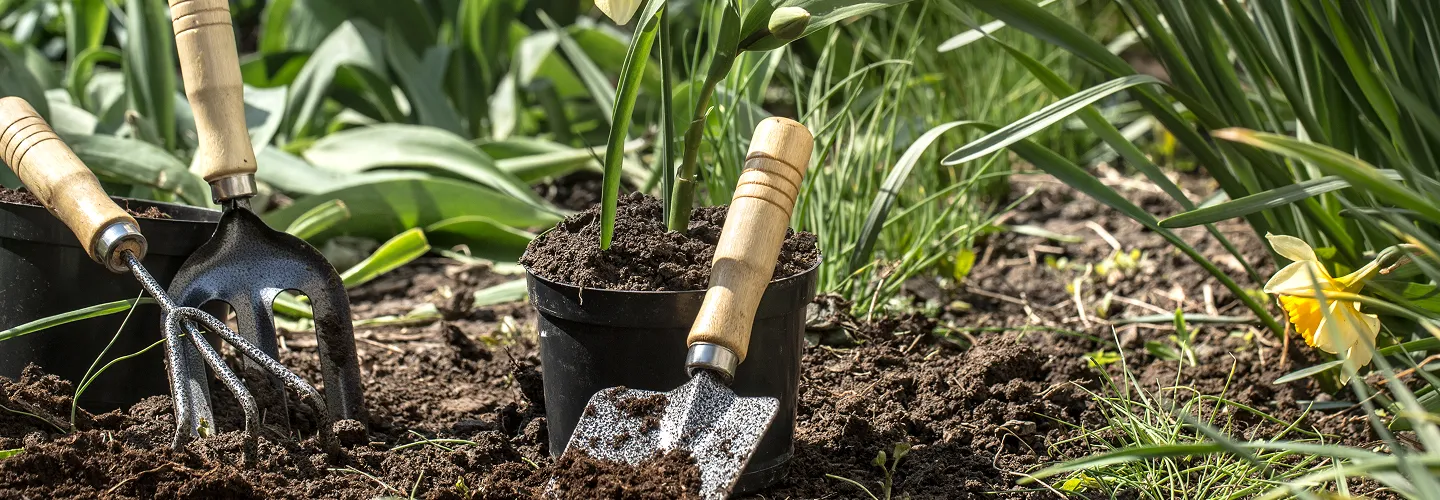
Dunwoody Plant Removal Services
Choose our plant removal services for expert care, fast turnaround, and a commitment to leaving your landscape clean and ready for your next project.
Get a Free QuoteOur Dunwoody Landscaping & Yard Care Services
When to Schedule Plant Removal in Dunwoody, Georgia – Seasonal Guide
In Dunwoody, Georgia, the best time for plant removal is typically late winter through early spring, before new growth begins and while the ground is still workable. This timing helps minimize disruption to surrounding landscapes and takes advantage of cooler temperatures, which reduce plant stress and make root extraction easier. Dunwoody’s climate, with its humid summers and mild winters, means that scheduling around the last frost date—usually in late March—is crucial for effective removal and site recovery.
Local neighborhoods like Georgetown and the area near Brook Run Park often experience dense shade coverage and clay-heavy soils, which can impact both the ease and timing of plant removal. Homeowners should also consider factors such as drought risk during late summer, as well as municipal guidelines for debris disposal. For more information on local regulations, visit the Sudbury town website.
Local Factors to Consider for Plant Removal in Dunwoody
- Tree density and mature canopy coverage, especially in neighborhoods like Wyntercreek
- Soil type (clay and loam are common in Dunwoody)
- Seasonal precipitation patterns and risk of summer drought
- Terrain slope and accessibility for equipment
- Municipal restrictions on removal and disposal of plant material
- Proximity to landmarks such as Perimeter Mall or Dunwoody Nature Center, which may influence local microclimates
Benefits of Plant Removal in Dunwoody
Expert Landscaping Services
Efficient Plant Removal
Improved Curb Appeal
Eco-Friendly Disposal
Customized Solutions
Licensed and Insured Team
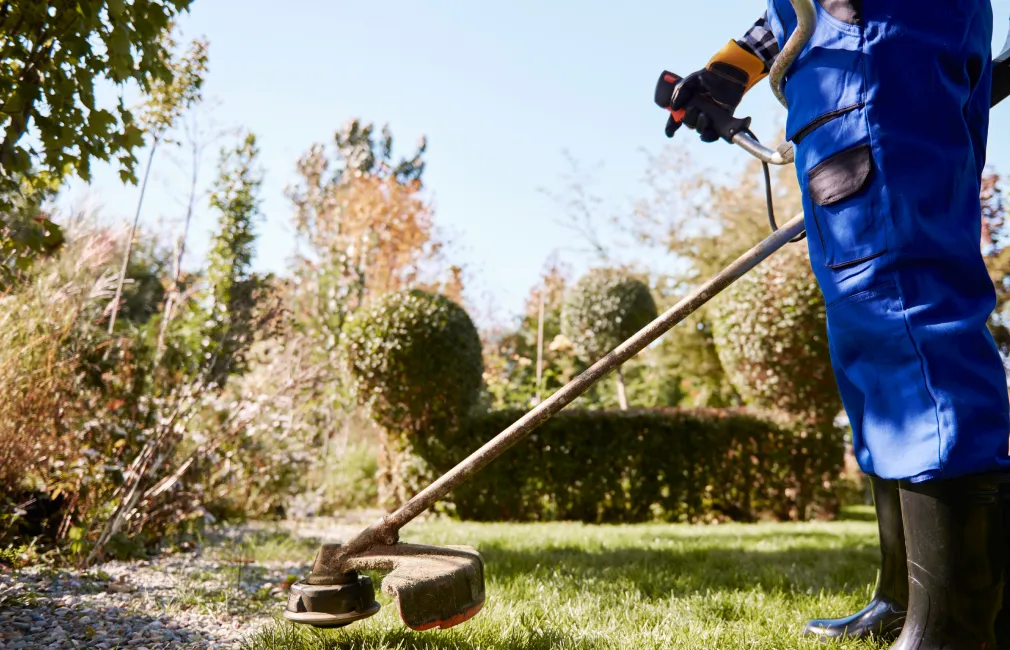
Dunwoody Plant Removal Types

Tree Removal
-
Shrub Removal
-
Stump Grinding
-
Invasive Species Removal
-
Root System Extraction
-
Hedge Clearing
-
Overgrown Vegetation Removal
Our Plant Removal Process
Site Evaluation
Preparation and Safety Measures
Plant Extraction
Debris Removal
Site Restoration
Why Choose Dunwoody Landscape Services
-
Dunwoody Homeowners Trust Us
-
Expert Lawn Maintenance
-
Reliable Scheduling
-
Competitive Pricing
-
Professional Team
-
Satisfaction Guarantee
-
Personalized Service
Invasive and Nuisance Plant Removal Under Dunwoody's Tree and Vegetation Regulations
Plant removal in Dunwoody is governed by a combination of city ordinances, zoning standards, and tree protection regulations that property owners must understand before undertaking any significant vegetation clearing. Dunwoody's Tree Regulations establish protections for specimen and heritage trees, and removal of qualifying trees—generally those meeting defined caliper thresholds—may require a permit review through the city. Beyond protected trees, nuisance vegetation such as kudzu (Pueraria montana), English ivy (Hedera helix), and Chinese privet (Ligustrum sinense) is widespread in Dunwoody's wooded corridors and should be removed using methods that prevent soil disturbance and erosion. Key compliance steps include:
- Confirm whether targeted plants fall under Dunwoody's tree protection thresholds before removal
- Identify invasive species using UGA Extension – Invasive Species resources
- Avoid mechanical removal on slopes greater than 15% without erosion controls in place
- Dispose of invasive material in sealed bags rather than composting to prevent re-establishment
Dunwoody Community Development
41 Park Place, Dunwoody, GA 30338
Official Website: Dunwoody Community Development
Dunwoody's Red Clay Soils and Root Extraction Challenges During Plant Removal
Dunwoody sits within Georgia's Piedmont region and is characterized predominantly by Cecil and Appling soil series—dense, red clay-based Ultisols with limited drainage capacity and significant compaction under developed lots. According to the USDA Web Soil Survey, these soils have low permeability and high shrink-swell potential, which directly affects plant removal operations. Root systems in compacted clay tend to spread laterally rather than deeply, making mechanical extraction more disruptive to surrounding soil structure. Dunwoody falls within USDA Hardiness Zone 7b, where warm, humid summers accelerate regrowth of invasive species following removal. Practical considerations for plant removal in Dunwoody's clay soils include:
- Conduct removal during late winter or early spring (February–April) when soils are moist but not saturated
- Use stump grinding rather than full root extraction on compacted lots to minimize soil disruption
- Backfill extraction voids with native topsoil or compost to restore drainage capacity
- Allow disturbed areas to stabilize with ground cover before the summer rainy season begins in June
Protecting Dunwoody Stormwater Infrastructure During Vegetation Clearing
Dunwoody's stormwater system manages runoff across a network of drainage corridors, detention ponds, and stream channels, including tributaries feeding into North Fork Peachtree Creek and Dunwoody Creek. Plant removal that disturbs soil cover near these features can introduce sediment into the municipal drainage system, violating both local stormwater standards and federal Clean Water Act requirements. The Dunwoody Stormwater Division oversees drainage infrastructure maintenance and water quality protection across the city. Property owners removing vegetation within 50 feet of a drainage feature, detention pond, or stream channel should implement the following erosion and sediment controls:
- Install silt fencing or straw wattles along the downslope perimeter before clearing begins
- Avoid removing ground-stabilizing root systems adjacent to drainage swales or creek banks
- Mulch cleared areas immediately following removal to reduce bare soil exposure
- Avoid plant removal during heavy rainfall periods, particularly June through September
Dunwoody Stormwater Division
41 Park Place, Dunwoody, GA 30338
Official Website: Dunwoody Stormwater Division
Herbicide Use and Georgia Pesticide Compliance for Plant Removal in Dunwoody
Chemical treatment is frequently used in conjunction with mechanical removal to prevent regrowth of invasive species such as kudzu, Japanese honeysuckle (Lonicera japonica), and Chinese privet. In Georgia, any professional applying herbicides for hire must hold a valid pesticide applicator license issued under the Georgia Pesticide Use and Application Act of 1976, administered by the Georgia Department of Agriculture – Agricultural Pest Control division. Property owners hiring contractors for herbicide-assisted plant removal in Dunwoody should verify licensure before work begins. Additional compliance considerations include:
- Apply herbicides only during dry weather windows to prevent runoff into Dunwoody's stormwater inlets
- Use cut-stump or basal bark application methods near drainage features to minimize soil contact
- Confirm that selected herbicide formulations are approved for use near water bodies per Georgia EPD guidance
- Retain application records, including product name, rate, and date, for a minimum of two years per state requirements
The Georgia EPD Watershed Protection Branch provides additional guidance on chemical use near sensitive water resources throughout the state.
Dunwoody Sustainability Committee Guidance on Responsible Plant Removal Practices
The Dunwoody Sustainability Committee provides guidance on environmental stewardship and conservation practices that directly inform responsible plant removal decisions across the city. Residents and property managers are encouraged to align removal projects with the city's broader goals of preserving native plant communities, reducing invasive species pressure, and maintaining healthy urban tree canopy. Following removal of invasive or nuisance vegetation, replanting with native species adapted to Dunwoody's Piedmont conditions supports long-term ecological stability. Recommended practices consistent with the Sustainability Committee's conservation framework include:
- Replace removed invasive groundcovers with native alternatives such as wild ginger (Asarum canadense), native ferns, or river oats (Chasmanthium latifolium)
- Prioritize removal of invasive species adjacent to Dunwoody's parks, greenways, and wooded trail corridors
- Avoid burning removed plant material within city limits; bag and dispose through approved waste channels
- Coordinate large-scale removal projects with the city's planning and environmental review process when applicable
Dunwoody Sustainability Committee
41 Park Place, Dunwoody, GA 30338
Official Website: Dunwoody Sustainability Committee
What Neighborhoods Do We Serve Throughout Dunwoody, GA?
Plant removal services are provided across Dunwoody's diverse residential and mixed-use neighborhoods, each presenting distinct site conditions and vegetation management challenges.
- Dunwoody Village: Older, established lots with mature tree canopy and significant English ivy and privet encroachment along wooded property edges; root extraction requires care around aging infrastructure.
- Georgetown: Densely wooded subdivision lots with red clay soils and limited drainage; invasive groundcovers are common along rear lot lines adjacent to wooded buffers.
- Vermack: Larger residential parcels with mixed sun and shade conditions; kudzu and honeysuckle pressure is elevated along fence lines and wooded perimeters.
- Winters Chapel: Properties near North Fork Peachtree Creek tributaries require heightened attention to erosion controls during plant removal near drainage corridors.
- Perimeter Center area: Mixed commercial and residential parcels with compacted urban fill soils; vegetation removal near stormwater inlets requires sediment containment measures.
- Brook Run area: Proximity to Brook Run Park and its greenway corridors means invasive species management is particularly relevant; removal should avoid disturbing park-adjacent native plantings.
- Spalding Drive corridor: Established neighborhoods with significant slope variation and clay-heavy soils; mechanical removal on steeper grades requires erosion stabilization immediately following clearing.