
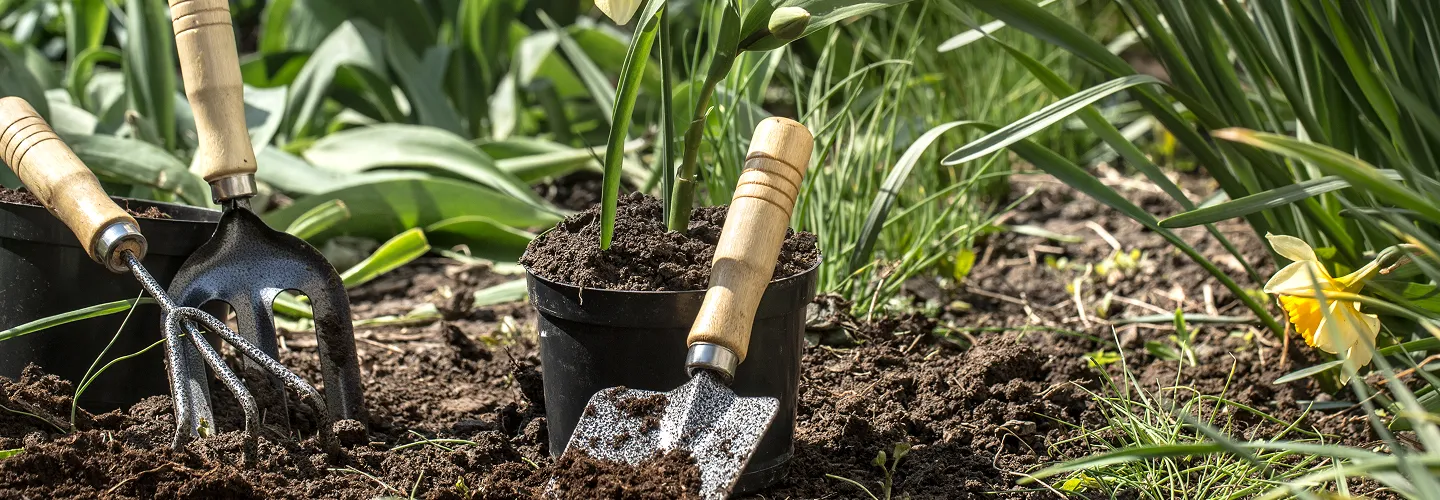
Dunwoody Flower Planting Services
Choose our flower planting services for vibrant, healthy blooms that enhance your curb appeal and thrive season after season—our experienced team selects the perfect flowers for your space and ensures professional planting for lasting beauty.
Get a Free QuoteOur Dunwoody Landscaping & Yard Care Services
When to Schedule Flower Planting in Dunwoody, Georgia – Seasonal Guide
Flower planting in Dunwoody, Georgia, is best scheduled with careful attention to the area’s unique climate and landscape features. The optimal planting windows are typically early spring, after the last frost date in late March, and early fall, when temperatures begin to cool but the soil remains warm. Dunwoody’s neighborhoods, such as Georgetown and Wynterhall, often experience humid summers and mild winters, making it essential to plan around both heat and potential cold snaps. Local soil tends to be a mix of clay and loam, which affects drainage and root development, so amending soil before planting is recommended.
Environmental factors like shade from mature trees in neighborhoods near Brook Run Park, as well as the risk of late spring frosts or summer droughts, play a significant role in determining the best time for planting. Homeowners should also be aware of municipal guidelines and water restrictions, which can impact irrigation schedules. For more detailed local planting resources, visit the Sudbury town website.
Local Factors to Consider for Flower Planting in Dunwoody
- Tree density and shade coverage, especially in established neighborhoods
- Soil composition (clay, loam, or sandy patches)
- Average precipitation and risk of summer drought
- Frost dates and temperature fluctuations
- Terrain and drainage patterns
- Municipal watering restrictions and guidelines
Benefits of Flower Planting in Dunwoody
Expert Local Knowledge
Customized Plant Selection
Seasonal Color Enhancements
Professional Installation
Low-Maintenance Solutions
Boosted Curb Appeal
Dunwoody Flower Planting Types

Annual Flower Beds
Seasonal color displays using vibrant annuals for maximum visual impact.
-
Perennial Gardens
Long-lasting blooms that return year after year for sustainable beauty.
-
Native Plant Installations
Eco-friendly choices that thrive in Dunwoody’s climate and support local wildlife.
-
Shade Garden Plantings
Flower selections ideal for low-light areas under trees or structures.
-
Pollinator-Friendly Gardens
Flower beds designed to attract bees, butterflies, and other pollinators.
-
Container Flower Arrangements
Versatile flower displays in pots and planters for patios and entryways.
-
Bulb Planting Services
Seasonal bulbs for spring and fall blooms, adding layers of color to your landscape.
Our Flower Planting Process
Site Evaluation
Soil Preparation
Plant Selection
Careful Planting
Watering and Mulching
Why Choose Dunwoody Landscape Services
-
Dunwoody Homeowners Trust Us
-
Expert Lawn Maintenance
-
Reliable Scheduling
-
Competitive Pricing
-
Professional Team
-
Satisfaction Guarantee
-
Personalized Service
Soil Preparation and Drainage Considerations for Flower Planting in Dunwoody
Dunwoody’s location within Georgia’s Piedmont region means that red clay soils, such as the Cecil and Pacolet series, are common and often present challenges for flower planting due to compaction and slow drainage. Before establishing new beds, it is essential to assess soil structure and amend with organic matter to improve aeration and water infiltration. Residents should conduct a soil test through the UGA Cooperative Extension to determine pH and nutrient needs, as local soils tend to be acidic. Key steps include:
- Incorporating 2-4 inches of compost into planting beds
- Avoiding planting in low-lying areas prone to waterlogging
- Using raised beds or berms where drainage is poor
- Mulching to retain moisture and suppress weeds Proper soil preparation not only supports healthy root development but also reduces runoff and erosion, which is especially important near Dunwoody’s creeks and stormwater features.
Dunwoody Public Works Department
4800 Ashford Dunwoody Road, Dunwoody, GA 30338
Phone: 678-382-6850
Official Website: Dunwoody Public Works Department
Selecting Flower Species Suited to Dunwoody’s Climate and Shade Patterns
Dunwoody falls within USDA Hardiness Zone 7b, with hot, humid summers and occasional winter freezes. When selecting flowers, it is important to choose species that tolerate both summer heat and partial shade, as many neighborhoods feature mature tree canopies. Recommended practices include:
- Prioritizing native or adapted perennials such as black-eyed Susan, coneflower, and Georgia aster
- Using annuals like impatiens or begonias for shaded beds
- Selecting drought-tolerant varieties for full-sun exposures
- Staggering bloom times for continuous color
- Consulting UGA Cooperative Extension for regionally appropriate plant lists Proper plant selection reduces maintenance needs and supports pollinators, while minimizing the risk of invasive species establishment. Residents should avoid planting near utility easements or within city right-of-way without prior review.
Stormwater Protection and Buffer Compliance During Flower Bed Installation
Flower planting in Dunwoody must be conducted with attention to stormwater management, especially near streams, ponds, and drainage corridors. The city’s stormwater infrastructure is managed by the Dunwoody Stormwater Division, which emphasizes the importance of protecting water quality and minimizing sediment runoff. Key compliance steps include:
- Maintaining undisturbed vegetative buffers along creeks and storm drains
- Avoiding soil disturbance within 25 feet of stream banks unless permitted
- Installing silt fences or straw wattles on slopes during bed preparation
- Using mulch to prevent erosion and filter runoff
- Disposing of excess soil and debris according to city guidelines These measures help meet Georgia EPD water quality standards and support local watershed health. Residents are encouraged to review city ordinances for buffer requirements before beginning any significant landscape work.
Dunwoody Stormwater Division
4800 Ashford Dunwoody Road, Dunwoody, GA 30338
Phone: 678-382-6850
Official Website: Dunwoody Stormwater Division
Navigating Dunwoody’s Municipal Review for Planting in Public or Regulated Spaces
Planting flowers within public rights-of-way, parks, or near regulated tree zones in Dunwoody may require review or coordination with city departments. The Dunwoody Community Development Department oversees zoning, permitting, and development review, while the Parks & Recreation Department manages public green spaces. Residents and property managers should:
- Verify property boundaries before planting near sidewalks or streets
- Consult city staff before altering landscaping in HOA-managed or city-maintained areas
- Review Dunwoody Tree Regulations if planting near protected trees
- Submit plans for large-scale or public-facing plantings for city review
- Follow any posted guidelines for park or greenway plantings Failure to comply with municipal requirements may result in removal of unauthorized plantings or code enforcement action.
Dunwoody Community Development
4800 Ashford Dunwoody Road, Dunwoody, GA 30338
Phone: 678-382-6800
Official Website: Dunwoody Community Development
What Neighborhoods Do We Serve Throughout Dunwoody, GA?
- Dunwoody Club Forest: Characterized by mature tree canopy and well-established landscapes, requiring shade-tolerant flower selections and careful soil amendment due to compaction.
- Georgetown: Features a mix of older homes and newer developments, with variable drainage and occasional runoff challenges near Nancy Creek.
- Vermack/Wickford: Known for larger lots and wooded edges, where deer browsing and leaf accumulation may influence flower bed maintenance.
- Dunwoody North: Includes gently sloping lots and proximity to the North Fork Peachtree Creek, making stormwater protection and buffer compliance important.
- Perimeter Center: Urbanized area with commercial and multi-family properties, where public-facing plantings may require city review and coordination with property management.
- Redfield: Subdivision with HOA oversight, emphasizing uniformity in landscape appearance and adherence to community guidelines for plant selection and bed placement.
- Kingsley: Contains a mix of sun and shade exposures, with some lots adjacent to ponds or drainage features, necessitating erosion control and runoff management.