
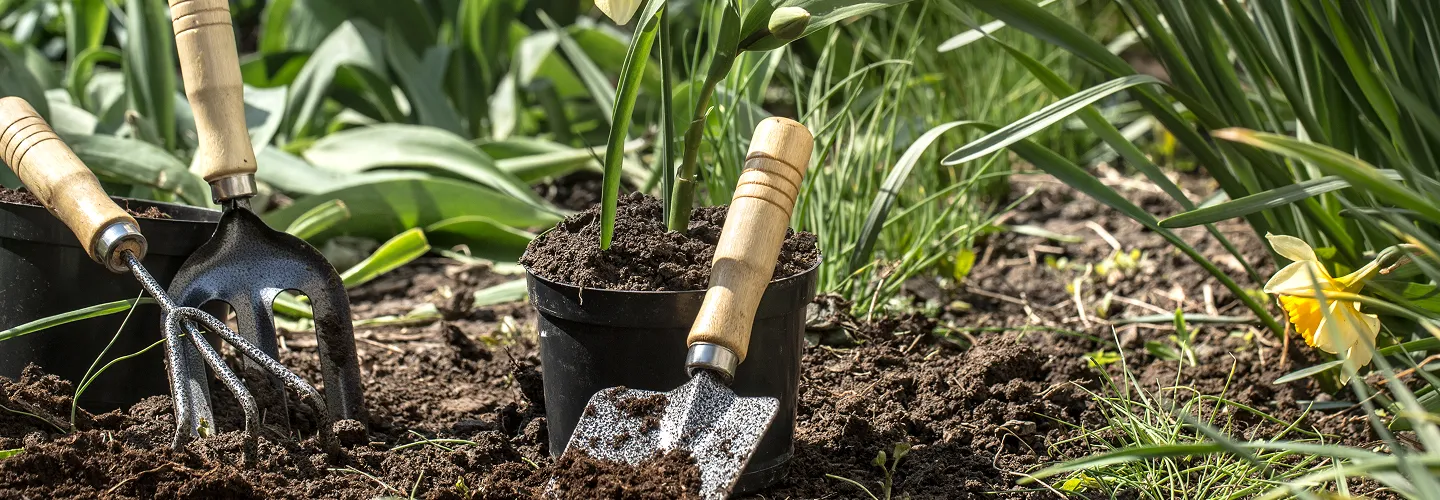
Dunwoody Green Waste Disposal Services
Choose our Green Waste Disposal for reliable, environmentally responsible service that keeps your property clean and supports a healthier community.
Get a Free QuoteOur Dunwoody Landscaping & Yard Care Services
When to Schedule Green Waste Disposal in Dunwoody, Georgia – Seasonal Guide
In Dunwoody, Georgia, the best times for green waste disposal are closely tied to our region’s unique climate and landscape. With warm, humid summers and mild winters, most homeowners find that late winter through early spring—just after the last frost date—offers an ideal window for clearing out yard debris. This timing helps prepare properties in neighborhoods like Georgetown and around Brook Run Park for new growth, while also reducing the risk of pest infestations and mold that can thrive in our moist conditions.
Local environmental factors such as heavy shade coverage from mature oaks and maples, clay-heavy soils, and the occasional drought risk all play a role in determining when to schedule disposal. For example, after summer storms or autumn leaf drop, timely removal is essential to prevent blocked drains and maintain curb appeal. Be sure to check municipal guidelines for any seasonal restrictions or collection schedules specific to Dunwoody.
Local Factors to Consider for Green Waste Disposal in Dunwoody
- Tree density and types (e.g., pine needles vs. broadleaf debris)
- Terrain and slope, especially in areas near Perimeter Center
- Seasonal precipitation and humidity levels
- Local frost dates and risk of late cold snaps
- Municipal restrictions and scheduled pickup days
- Soil type and drainage characteristics
- Proximity to parks, creeks, or protected green spaces
Benefits of Green Waste Disposal in Dunwoody

Eco-Friendly Landscaping Solutions
Efficient Green Waste Removal
Promotes Healthy Plant Growth
Reduces Landfill Waste
Enhances Curb Appeal
Supports Sustainable Practices
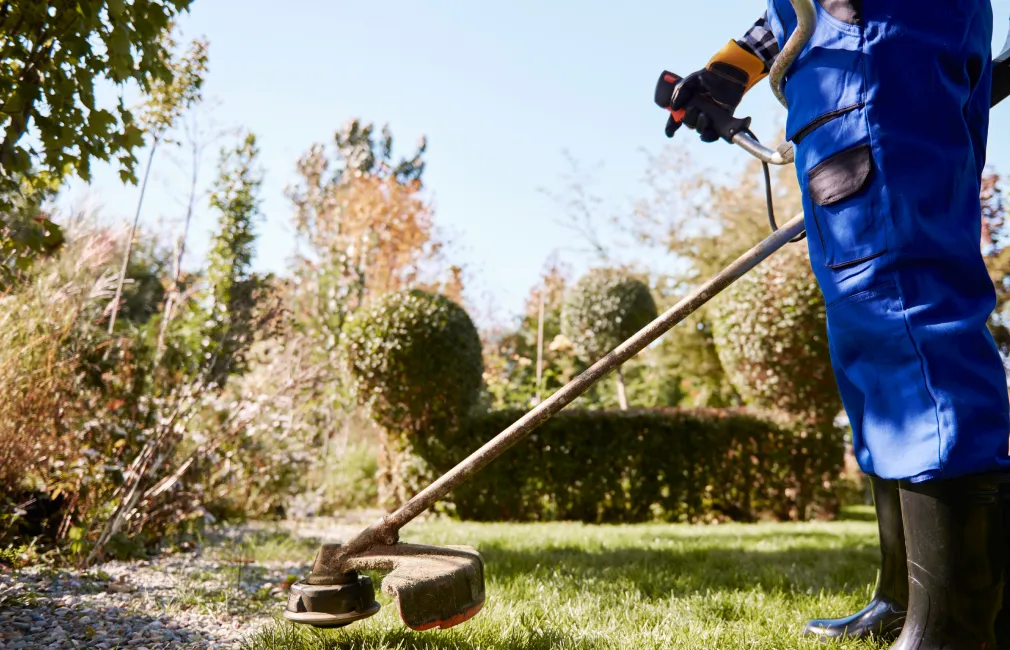
Dunwoody Green Waste Disposal Types

Grass Clippings
-
Tree Branches
-
Leaves and Foliage
-
Shrub Trimmings
-
Garden Debris
-
Mulch Material
-
Wood Chips
Our Green Waste Disposal Process
Collection of Green Waste
Sorting and Separation
Transport to Disposal Facility
Eco-Friendly Processing
Why Choose Dunwoody Landscape Services
-
Dunwoody Homeowners Trust Us
-
Expert Lawn Maintenance
-
Reliable Scheduling
-
Competitive Pricing
-
Professional Team
-
Satisfaction Guarantee
-
Personalized Service
Dunwoody's Yard Waste Collection Program and Public Works Coordination
Dunwoody operates within DeKalb County's municipal framework, and green waste disposal for residential properties is coordinated through the Dunwoody Public Works Department. Yard waste generated from routine maintenance — including grass clippings, leaves, pine straw, small branches, and garden trimmings — must be separated from household solid waste and placed at the curb in accordance with collection schedules. Residents should follow these general preparation standards:
- Bag loose organic material such as leaves and clippings in biodegradable or kraft paper bags where required
- Bundle brush and woody debris in sections no longer than 4 feet and no heavier than 50 pounds per bundle
- Place materials at the curb by 7:00 a.m. on your scheduled collection day
- Do not block storm drains, sidewalks, or roadway travel lanes with debris piles
- Verify current collection days and any service interruptions directly with the department
Dunwoody Public Works Department
4800 Ashford Dunwoody Road, Dunwoody, GA 30338
Phone: (678) 382-6700
Official Website: Dunwoody Public Works Department
Protecting Dunwoody's Stormwater Infrastructure During Green Waste Removal
Dunwoody's stormwater drainage network is managed by the Dunwoody Stormwater Division, which oversees drainage infrastructure, flood mitigation, and water quality compliance throughout the city. Improper green waste disposal — including dumping clippings, leaves, or brush near storm inlets, drainage ditches, or detention ponds — can obstruct flow, introduce excess nutrients, and degrade downstream water quality in tributaries that feed into Nancy Creek and other local drainage corridors. Under the Clean Water Act and associated EPA NPDES stormwater regulations, municipalities are required to prevent organic debris from entering storm systems. Residents and property managers should:
- Never blow or rake clippings into street gutters or storm drain openings
- Keep debris piles at least 10 feet from any storm inlet, ditch, or drainage swale
- Remove accumulated debris from drainage easements promptly after storm events
- Report blocked storm drains to the Stormwater Division immediately
Dunwoody Stormwater Division
4800 Ashford Dunwoody Road, Dunwoody, GA 30338
Phone: (678) 382-6700
Official Website: Dunwoody Stormwater Division
Seasonal Green Waste Volume in Dunwoody's Piedmont Climate and Red Clay Landscape
Dunwoody is located in the Metro Atlanta Piedmont region and falls within USDA Hardiness Zone 7b, with warm, humid summers and mild winters. The city's predominant soils are Cecil and Appling series — red clay Ultisols with low permeability and high compaction potential. These conditions affect how organic debris behaves on the landscape. According to the USDA Web Soil Survey, surface runoff potential is moderate to high across much of Dunwoody's developed terrain, meaning that unmanaged leaf litter and clippings can accelerate runoff and contribute to erosion on sloped lots. Green waste volumes peak during two distinct windows:
- Spring (March–May): Rapid warm-season turf growth, tree leaf-out, and storm debris from late-season fronts
- Fall (October–December): Heavy leaf drop from mature hardwoods, including oaks, maples, and sweetgums common throughout Dunwoody's established neighborhoods
Timing debris removal to coincide with these peak periods reduces compaction on clay soils and prevents organic matter from smothering turf or clogging drainage features. UGA Cooperative Extension recommends composting leaf material where feasible to improve clay soil structure over time.
Invasive Plant Debris Handling and Disposal Compliance in Dunwoody
Dunwoody's wooded corridors and creek-adjacent lots support conditions favorable to invasive plant species, including English ivy (Hedera helix), Chinese privet (Ligustrum sinense), kudzu (Pueraria montana), and Japanese honeysuckle (Lonicera japonica). When these species are removed during green waste disposal work, their debris requires careful handling to prevent reestablishment or spread. UGA Extension's Invasive Species program advises that invasive plant material — particularly vines with viable root fragments or seed-bearing stems — should not be composted in open piles or left in contact with soil. Recommended disposal practices include:
- Bag invasive material separately and dispose of it through municipal solid waste collection rather than yard waste streams
- Do not chip or mulch seed-bearing invasive material for on-site reuse
- Avoid stockpiling removed invasive debris near stream banks, drainage ditches, or wooded edges
- Confirm current disposal guidance with the Dunwoody Sustainability Committee, which oversees environmental stewardship initiatives for the city
Dunwoody Sustainability Committee
41 Perimeter Center East, Dunwoody, GA 30346
Official Website: Dunwoody Sustainability Committee
Georgia EPD Watershed Compliance and Green Waste Disposal Near Nancy Creek
Nancy Creek and its tributaries run through portions of Dunwoody, and properties adjacent to these corridors are subject to stream buffer requirements under Georgia's Erosion and Sedimentation Act and Georgia EPD Watershed Protection Branch guidelines. The Georgia EPD enforces Georgia Water Quality Standards that prohibit the introduction of organic pollutants — including decomposing yard waste — into regulated waterways. For properties within or near these buffer zones, green waste disposal must account for the following:
- A 25-foot undisturbed buffer is required from the bank of most state waters; larger buffers may apply depending on stream classification
- Leaf piles, brush, and clippings must not be deposited within buffer zones or on slopes draining directly to creek channels
- Decomposing organic matter in buffer areas can elevate nutrient loads and reduce dissolved oxygen in downstream reaches
- Property owners uncertain about buffer boundaries should consult Dunwoody Community Development for site-specific guidance
Dunwoody Community Development
41 Perimeter Center East, Dunwoody, GA 30346
Phone: (678) 382-6700
Official Website: Dunwoody Community Development
What Neighborhoods Do We Serve Throughout Dunwoody, GA?
Green waste disposal services are provided across Dunwoody's diverse residential landscape, each area presenting distinct site conditions and debris management considerations:
- Dunwoody Village: An established neighborhood with mature hardwood canopy generating significant leaf and branch debris each fall; narrow residential streets require careful curbside placement to maintain traffic clearance.
- Georgetown: A densely wooded subdivision with red clay soils and moderate slopes; storm debris accumulation is common after spring fronts, and drainage swales require regular clearing.
- Vermack: Features large lots with mixed pine and hardwood cover; pine straw and needle accumulation is a recurring disposal consideration alongside seasonal leaf volume.
- Winters Chapel: Includes properties near drainage corridors with higher invasive vine pressure; debris from English ivy and privet removal requires compliant disposal separate from standard yard waste.
- Perimeter Center area: Higher-density residential and mixed-use development with limited curbside staging space; debris containment and timely removal are essential to maintain right-of-way compliance.
- Dunwoody Club Forest: Wooded lots with mature tree canopy and proximity to creek tributaries; buffer zone awareness is important during large-scale debris removal and brush clearing operations.